
The
of Creation
You are conditioning your primary creative medium: your own body. You are clearing the canvas of your mind.
When you run cold early miles, align your posture on the mat, or guide spinning clay with physical tension, you are not merely executing a physical routine.
True depth is not found in the sudden strike of inspiration, but in the deliberate cadence of the repeat.
Practice is how creation happens.
The Four Chapters of Practice
Creation is not a singular act of genius, but the long arc of returning, repeating, and refining.
Before the final masterpiece, there is always the blueprint—the quiet, disciplined physical practice built in private.

The Stride as a Line of Intent
The runner does not run merely to cover physical distance; they run to clear mental space. In the rigorous repetition of the stride, the mind enters a state of subtraction—shedding modern digital distraction until only pure presence remains.
Physical stamina is the silent, essential infrastructure of creative resilience. By conditioning the body, we prepare the mind to sustain the long, demanding cycles of deliberate creative pursuit.
The Vertical Axis of Composure
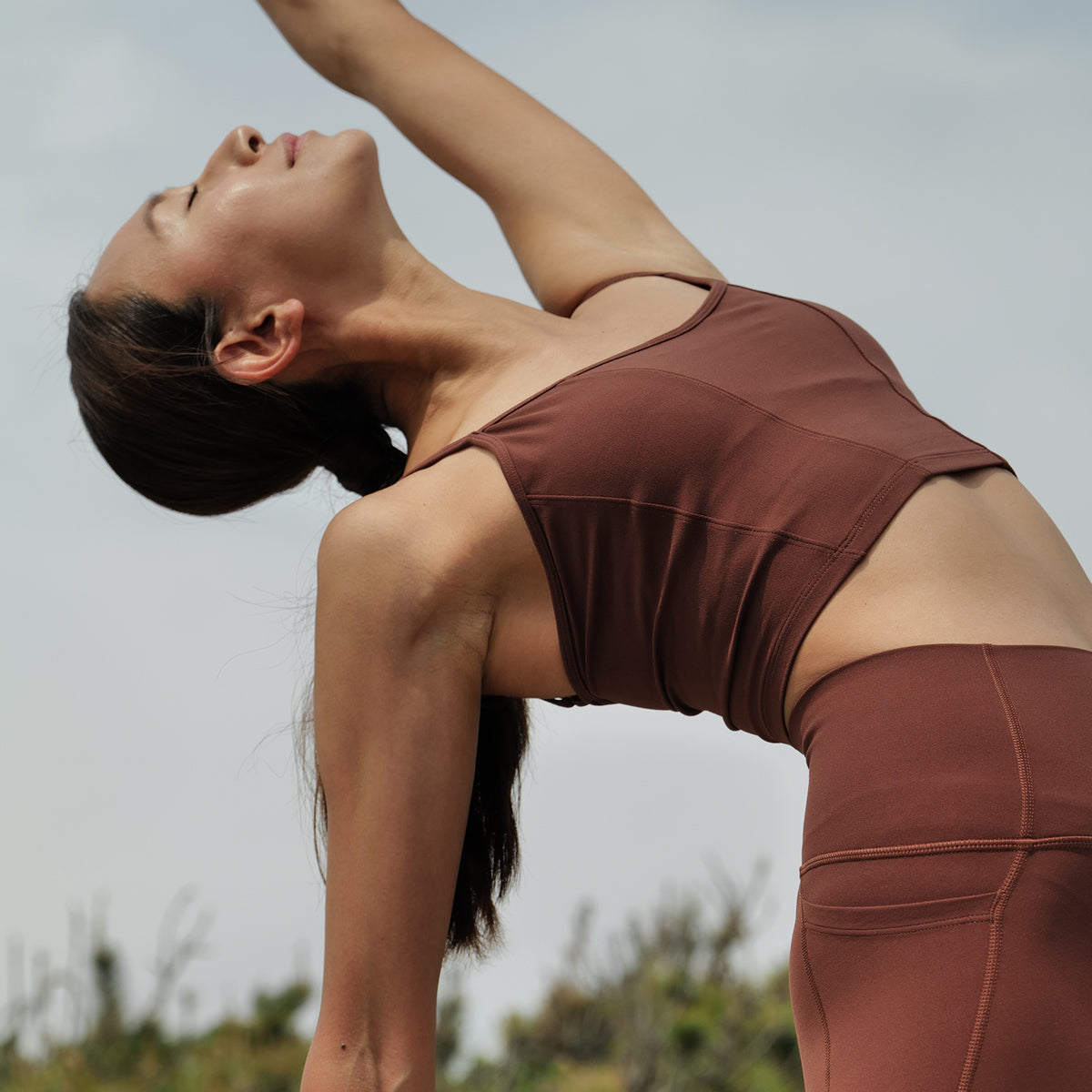
On the mat, movement becomes awareness in action—preferring internal axis over visual display, and presence over performance metrics. Through the slow alignment of a posture, you weave stillness with physical composure.
Stillness is not passive; it is the active containment of energy. By stabilizing your center against gravity, you teach the attention to remain anchored in the face of external turbulence.
Tactile Torque and Resistance
At the potter’s wheel, creation is a physical struggle against centrifugal force. A hand guiding raw material must balance gentle tactile sensitivity with an unyielding structural pressure to prevent the wet clay from collapsing.
This tactile discipline exactly mirrors our movement practice. Just as the hands anchor the clay, the body’s posture anchors the mind, demanding a physical composure that remains steady under continuous rotation and physical tension.
The Acoustic Alignment of Tension
To produce a single pure note requires a thousand parallel alignments of muscle and string. Bowing is the raw physical discipline of translating deliberate tension into resonance, needing meticulous micro-adjustments of the wrist and shoulder.
Music is not built on sudden passion; it is structured through hours of silent, repeated scales in an empty studio. This persistent routine builds the physical stamina that allows the artist to enter deep flow, transforming the physical instrument into an extension of intent.
Everyone is a Creator
Not because you write for a stage or display on a gallery wall, but because you choose to organize the chaos of your days through a regular, deliberate rhythm.